
what MyPrintPod took from the techUK Tech-Led Decarbonisation Showcase
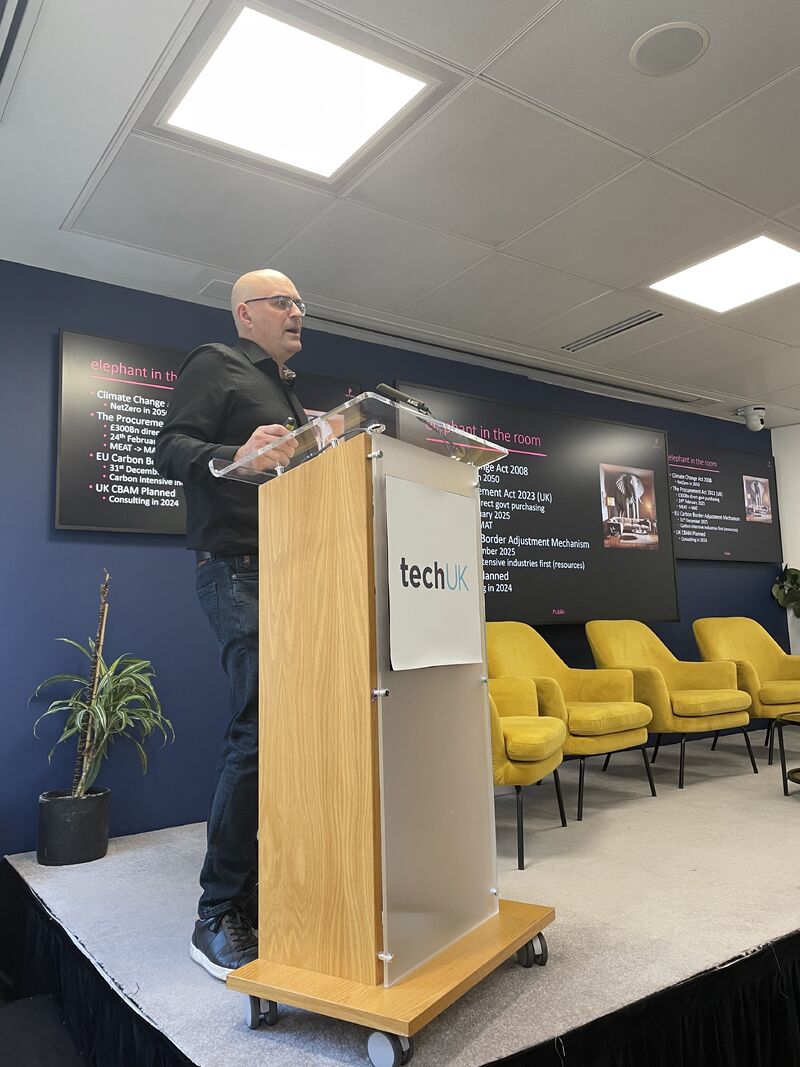
MyPrintPod presented its work towards net zero 3D printing at the techUK Tech-Led Decarbonisation Showcase.
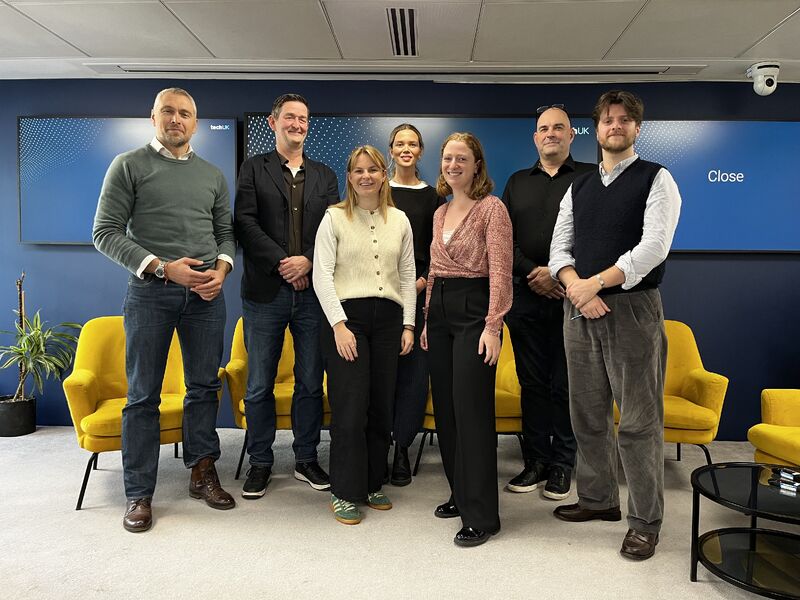
on Tuesday 2 December 2025, myprintpod attended the techUK Tech-Led Decarbonisation Showcase.
it was a useful opportunity to present what we are building: practical, lower-impact 3D printing that moves towards net zero production through recycled materials, localised manufacturing, calibrated systems and per-part CO₂e tracking.
the event brought together companies working across a wide range of decarbonisation challenges, from measuring and optimising IT emissions to redesigning production processes to reduce energy use and CO₂e.
the room was engaged, the questions were useful, and the range of work being shown made one thing clear: decarbonisation is not a single technology problem. it is a systems problem.
why this matters to myprintpod
myprintpod is focused on making additive manufacturing more useful and more measurable.
for us, sustainable 3D printing means:
- using recycled and recovered materials where possible
- avoiding unnecessary tooling and overproduction
- producing closer to demand
- tracking per-part CO₂e where useful
- designing parts with end-of-life and material recovery in mind
this is not about claiming that 3D printing is automatically sustainable. it is about making better decisions at each stage of the design and manufacturing process.
net zero needs commercial force
one concern raised by the wider conversation is that some large organisations appear to be slowing or softening earlier net zero commitments.
that matters.
voluntary commitments are useful, but they are not enough on their own. if sustainability is treated as optional, it will be the first thing removed when pressure rises.
for decarbonisation to work at scale, it needs two things:
- transparency that exposes where progress is real and where it is not
- legislation and reporting requirements with enough force to change behaviour
put simply, net zero has to affect commercial decisions.
if companies lose work because they cannot demonstrate credible progress, they will adapt. if they do not, change will remain too slow.
the role of the sustainability community
the sustainability community also has work to do.
it needs to be clear, patient and technically credible. it also needs to be passionate.
people need to understand why this matters, what practical action looks like, and how change can be made without turning every conversation into blame.
the public is not the barrier. most people understand that waste, energy use and emissions matter.
the challenge is communication:
- explain the problem clearly
- show practical routes forward
- avoid sanctimony
- listen properly
- challenge poor practice with evidence
- keep making the case
that combination is more effective than slogans alone.
what myprintpod took away
the showcase reinforced several points for us:
- decarbonisation needs better data
- CO₂e reporting must be practical enough to use
- manufacturing choices need to be linked to real commercial decisions
- sustainability needs to be designed into products early
- smaller companies can move quickly when the route is clear
for myprintpod, the next step is continuing to build sustainable manufacturing into the core of what we offer, rather than treating it as an add-on.
thank you
thank you to techUK for hosting the showcase and to everyone who asked questions and shared their own work.
particular thanks to Josh Turpin, Anthony Levy, Zanna Cooper, Neil Ross Russell, Millie Pardoe and Megali Saul.
working with myprintpod
if you are developing a product and want to understand how recycled materials, additive manufacturing and CO₂e tracking could support it, we can help.
request co-creation lab support or a 3D printing quote
#Sustainability #Decarbonisation #NetZero #ClimateAction #GreenTech