
exploring seaweed-based materials for improving 3d printing quality
a feasibility study into using seaweed-derived materials to improve print quality, consistency and sustainability in 3d printing
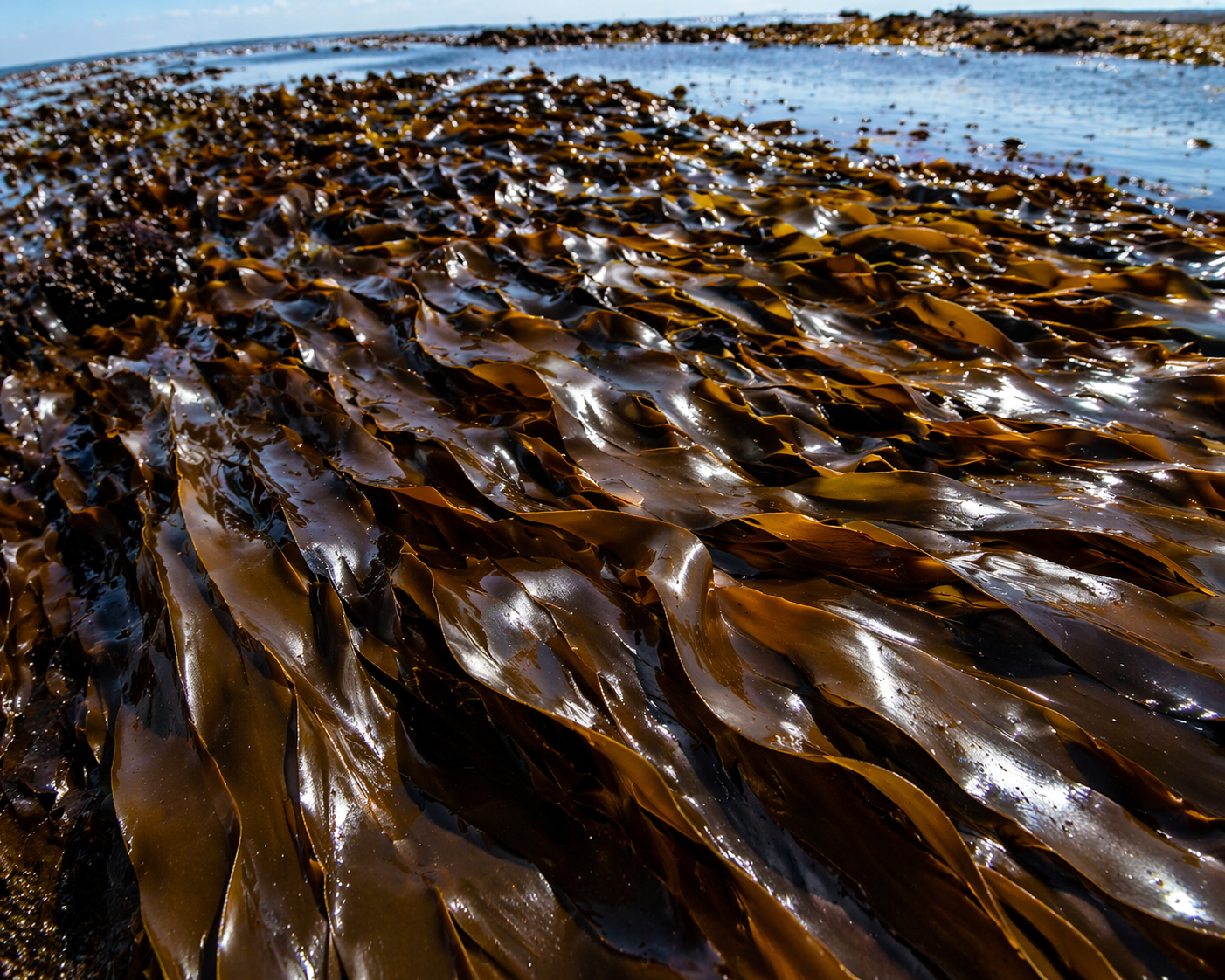
exploring seaweed-based materials for improving 3d printing quality
recent work supported by uk research and innovation has explored the use of seaweed-derived materials to improve the quality of 3d printed parts.
this kind of research looks at whether natural, renewable materials can be used not just as a sustainable alternative — but as a way to improve performance.
why seaweed?
seaweed contains natural polymers such as alginate and carrageenan.
these materials are already used in:
- food production
- pharmaceuticals
- industrial processing
and are now being explored for additive manufacturing.
the appeal is clear:
- renewable and widely available
- low environmental impact
- potential for functional material properties
what this could improve
the feasibility study focuses on whether seaweed-based inputs can improve:
- extrusion consistency
- layer adhesion
- surface finish
- overall part quality
moving beyond traditional materials
most 3d printing today still relies on:
- petroleum-based plastics
- standardised filaments
- limited material variation
research like this opens up the possibility of:
- bio-based material blends
- locally sourced inputs
- new performance characteristics

practical challenges
there are still open questions:
- how stable are these materials during printing?
- can they scale beyond small tests?
- how do they compare to existing filaments?
why this matters
this kind of work reflects a broader shift in manufacturing:
towards materials that are:
- more sustainable
- more adaptable
- more aligned with circular systems
how this connects to our work
at myprintpod, we are interested in:
- recycled and alternative materials
- improving print consistency and outcomes
- reducing waste through better design and production
looking ahead
it is still early-stage work, but it points towards a future where:
- material choice becomes more flexible
- environmental impact becomes measurable
- performance and sustainability are developed together
working with new materials
if you are exploring new materials or more sustainable production approaches, we would be happy to help.