
baseline particulate monitoring before 3D printing filtration tests
MyPrintPod began measuring baseline PM1, PM2.5 and PM10 particulate levels in a domestic setting before testing 3D printing filtration and containment.
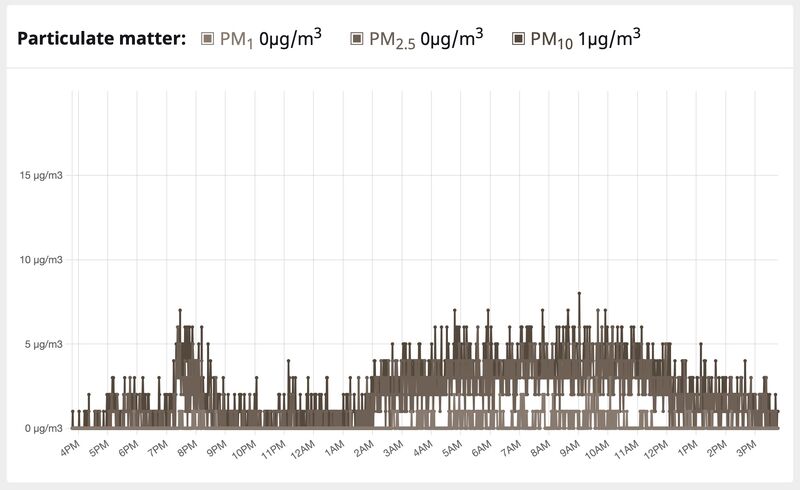
on Tuesday 1 July 2025, myprintpod started taking baseline particulate measurements before testing 3D printing filtration and containment.
the measurements cover PM1, PM2.5 and PM10 values across the day.
this first test location is a domestic setting in Portsmouth, UK, around half a mile from the A27.
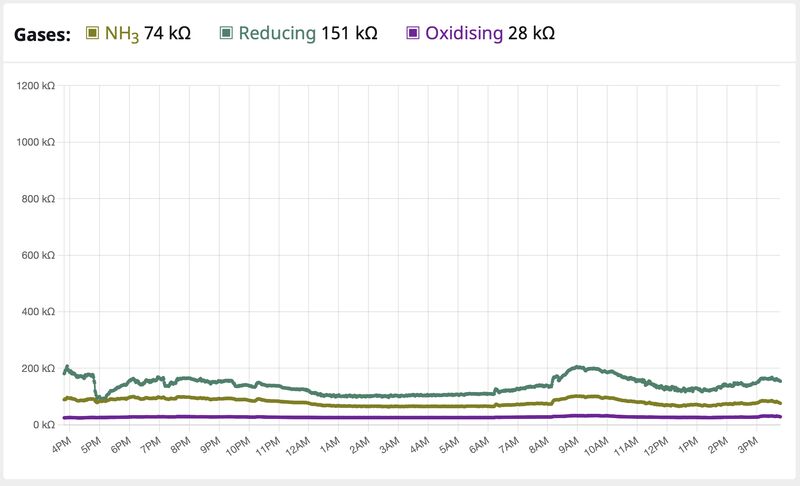
why measure the baseline first
before testing any 3D printing filtration or containment system, it is important to understand the background environment.
without that baseline, it is too easy to draw the wrong conclusion.
particulate levels vary for reasons that have nothing to do with 3D printing, including:
- road traffic
- wind direction
- ventilation
- domestic activity
- outdoor air quality
- time of day
the A27 is a very busy road, and wind direction is likely to have a real influence on measured values.
what is being measured
the current focus is on:
- PM1
- PM2.5
- PM10
these values help show how particulate levels change during normal use of the space.
the early results are already interesting because the readings move noticeably throughout the day.
why this matters for myprintpod
myprintpod is interested in sustainable and responsible additive manufacturing.
that includes materials, energy use, CO₂e tracking and waste reduction. It also includes understanding the working environment around 3D printing.
filtration and containment should be tested against real measurements, not assumptions.
once a good enough baseline has been gathered, the next step is to test filtration and containment performance against that background.
first impression
the early numbers are not great.
they are a useful reminder that environmental monitoring can be uncomfortable, but also necessary.
if we want better systems, we need better evidence.
#Particulates #Monitoring #3DPrinting #Environment #Pollution